
The Material You Specify Today Is Tomorrow’s Scope 3 Entry
Outdoor Assets Carry A Carbon Cost. The Material Decides How Much.
Decks, fences, grilles and facade cladding installed in or sold with a building appear in the owner’s or developer’s Scope 3 report. Ultra-In reduces that footprint — with data to prove it.
Category 2: Capital Goods
Building owners who install decking, fencing or grilles as permanent fixtures in their own property. These are capitalised as PP&E.
e.g. Hotel pool deck, office façade grille, resort boardwalk.
Category 11: Use of Sold Products
Developers who build and sell units to buyers. The embodied carbon of installed Ultra-In becomes part of the sold product’s lifecycle footprint.
e.g. Residential development, commercial building sold to end-owne
Conventional vs Ultra-In
| Ultra-In | Imported Timber (to Taiwan) | WPC | |
|---|---|---|---|
| Embodied Carbon | Low | High | Medium |
| Lifespan | 15 – 20 years | 2 – 5 years | 3 – 10 years |
| End of Life Recyclability | 100% | 0% | 0% |
| Scope 3 Impact | Reduced | High Burden | High Burden |
Real Projects – Measured Carbon
Category 2: Premium Spaces
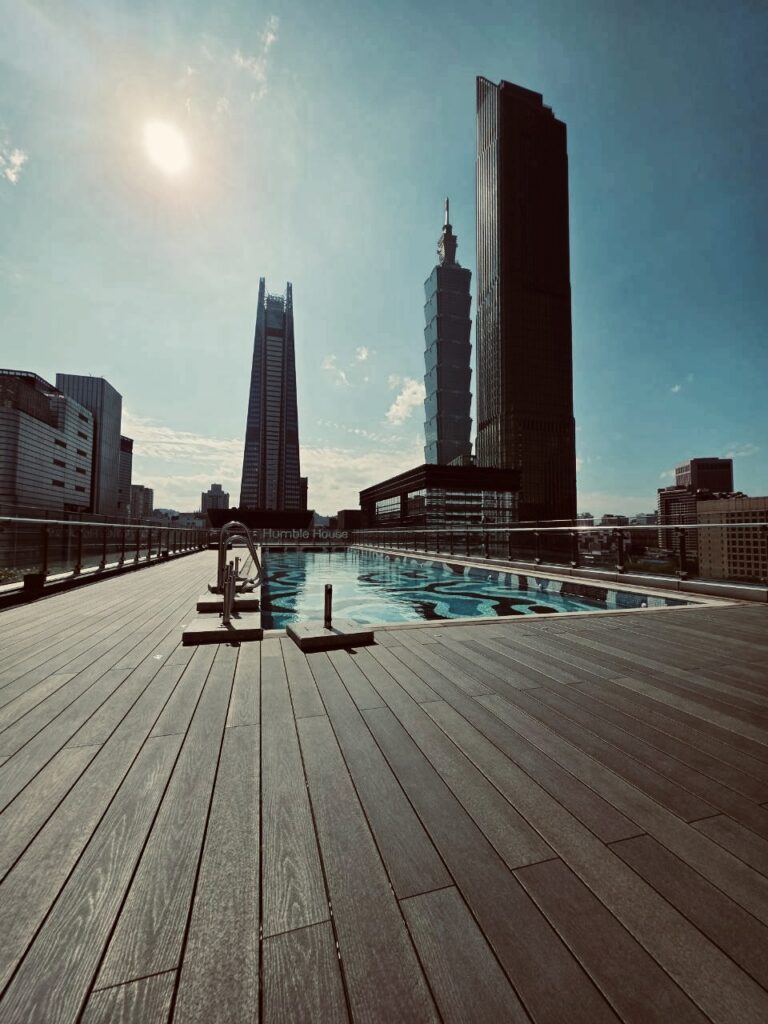
Humble House Taipei
Outdoor pool deck · 202 m² · Dec 2025
CO₂e reduction vs WPC~3.5 t/t
Plastic diverted~3.2 t
Category 11: Residential Apartment
Luodong, Yilan County
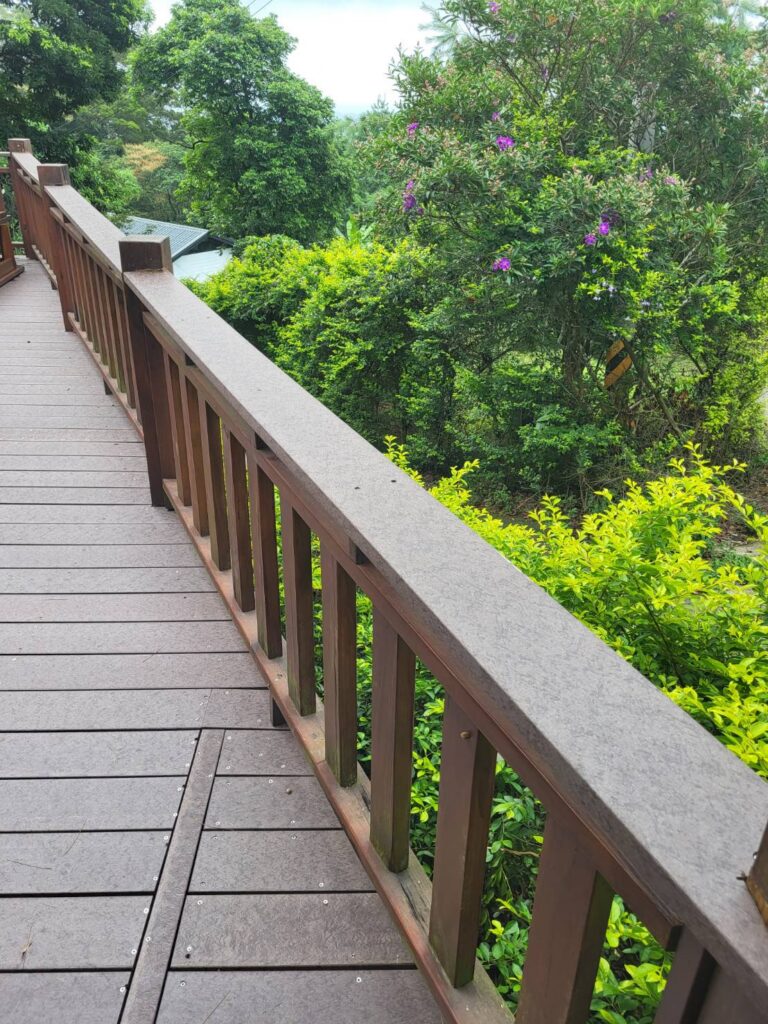
Façade grille & fence · 2,150 m² · Dec 2025
CO₂e reduction vs WPC~44.3 t/t
Plastic diverted~17.3 t
Circular Economy

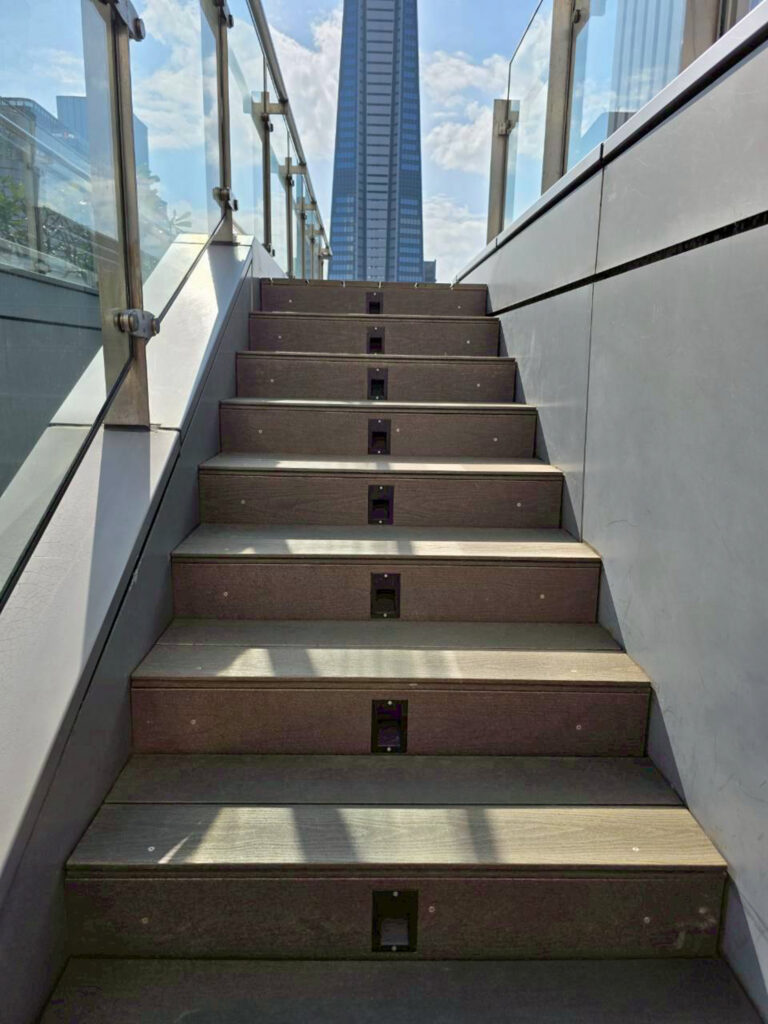
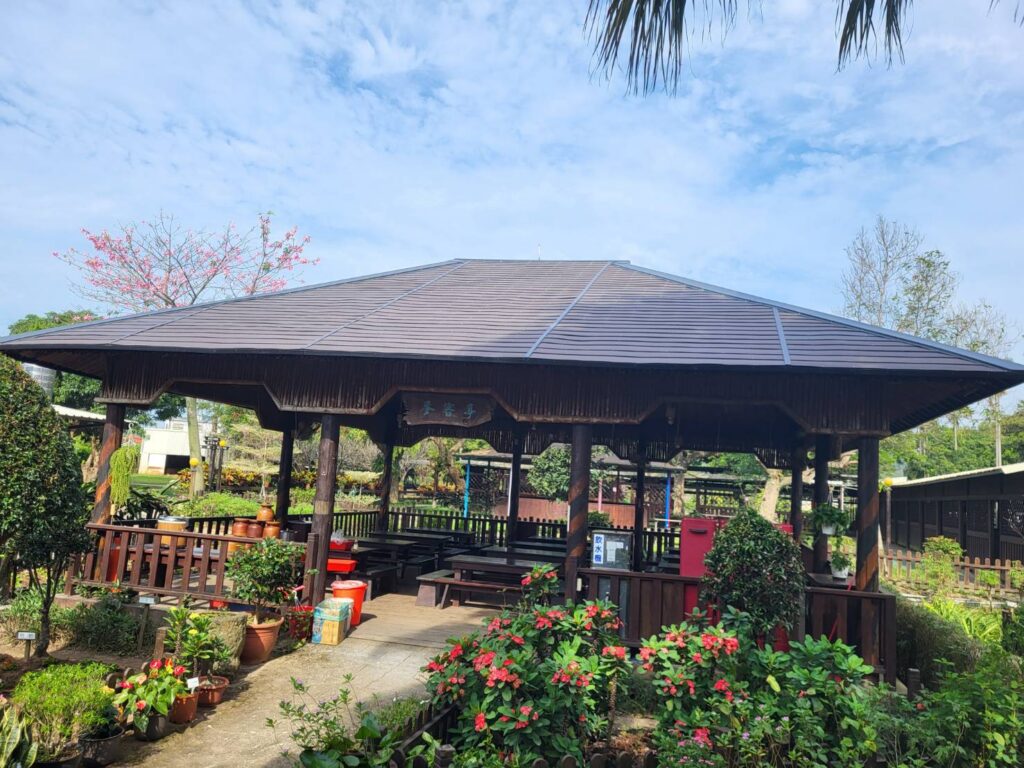
Outdoor Decking · Cladding · Boardwalks · Terraces · Seating · Planters · Gazebos
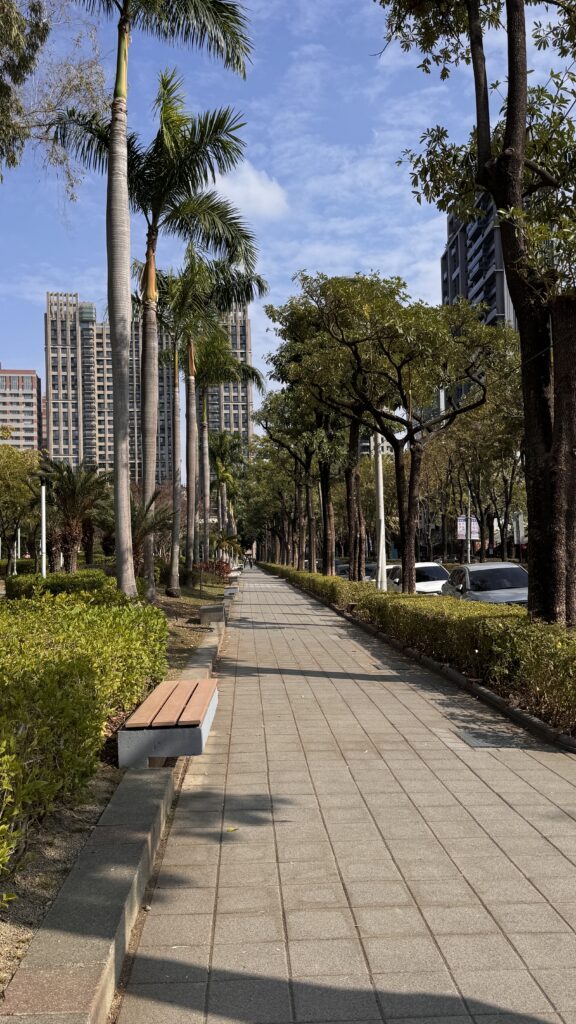
Comparison Analysis
| Criteria | Ultra-In | Imported Timber (to Taiwan) | WPC |
|---|---|---|---|
| Maintenance | Passes 2,000-hour weathering test. UV-resistant, near-zero water absorption, rot-proof and insect-proof. No painting required — routine cleaning with water only. | Requires regular sanding, painting and preservative treatment. Highly susceptible to moisture, mould, insect damage and cracking. | No painting needed, but lower-grade formulations may fade under prolonged UV exposure; higher water absorption leads to deformation and embrittlement over time. |
| Lifecycle Cost | Lowest | Highest | Moderate |
| Carbon Performance | Significantly lower carbon emissions — meets the most demanding low-carbon building benchmarks. | Timber itself sequesters carbon, but logging, international shipping and energy-intensive drying/chemical preservative treatment generate substantial hidden emissions. | Reduces virgin timber harvesting, but heavy reliance on virgin plastic feedstock in the manufacturing process limits net carbon benefit. |
| Circular Economy & Waste Reduction | Uses rPS closed-loop technology — diverts large volumes of post-consumer plastic waste, and the product is fully recyclable at end of life, fulfilling a zero-waste commitment. | Outdoor timber is typically treated with preservatives (e.g. CCA), making it non-biodegradable at end of life and classifying it as hazardous industrial waste. | Incorporates waste wood fibre, but conventional hot-melt compounding makes the composite extremely difficult to separate and recycle at end of life. |
Architectural — Façade Cladding · Façade Grilles · Louvre Panels

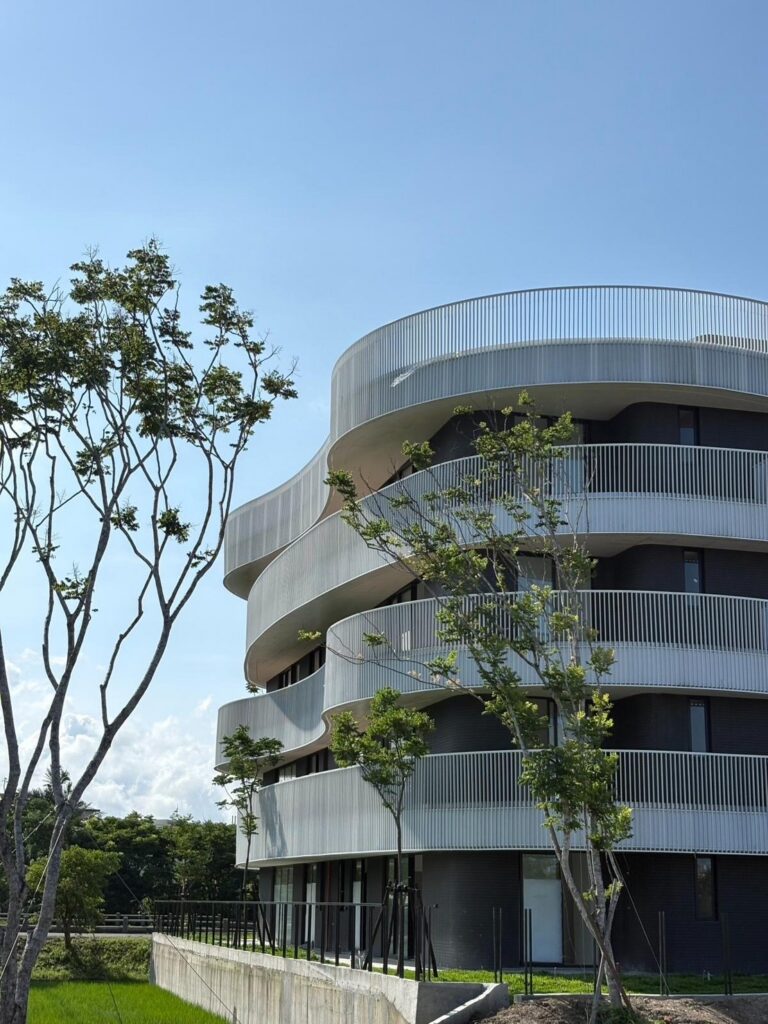


Comparison Analysis
| Criteria | Ultra-In | Aluminium | WPC |
|---|---|---|---|
| Maintenance | Lowest cost — Superior UV resistance and low water-absorption formulation: no fading, no embrittlement. Structurally stable under strong wind and high-altitude exposure, eliminating the risk of costly elevated-access repairs. | Low cost — Corrosion-resistant, but Taiwan’s high humidity, frequent rainfall and acid-rain conditions cause powder-coat surfaces to oxidise, chalk or peel over time. Re-coating at height is extremely difficult. | Moderate cost — Used as a façade screen, lower-grade formulations are prone to thermal expansion/contraction warping under prolonged vertical exposure and wind load. Elevated maintenance costs are high. |
| Lifecycle Cost | Lowest — Exceptional rigidity and structural strength; holds its form without sagging over its extended service life. Ongoing maintenance, repair and replacement costs approach zero, making it the most economical choice over the long term. | rigidity and structural strength; holds its form without sagging over its extended service life. Ongoing maintenance, repair and replacement costs approach zero, making it the most economical choice over the long term.Highest — High raw-material cost plus surface-coating treatment drives up initial installation spend. When the coating reaches end of life, full re-skinning or replacement costs are substantial. | Moderate — Lower initial material cost, but insufficient tensile and flexural strength leads to sagging and deformation — partial or full replacement is typically required within 3–5 years. |
| Carbon Performance | Best — Significantly avoids equivalent CO₂ emissions. A clear advantage for high-tier ESG buildings. | Worst — Aluminium is known as “the metal grown from electricity.” Smelting is extremely energy-intensive and high-carbon. Specifying virgin aluminium significantly increases the project’s Scope 3 embedded emissions. | Moderate — Lower carbon footprint than aluminium, but a high proportion of virgin plastic feedstock in the manufacturing process limits overall carbon-reduction potential. |
| Circular Economy & Waste Reduction | 100% closed loop (best) — Uses RPS (recycled polystyrene) closed-loop technology, diverting large volumes of plastic waste during production. After building demolition, the material is fully recyclable with zero waste. | Moderate — Although aluminium has scrap value, architectural aluminium is typically contaminated with chemical coatings and thermal-break adhesive strips; secondary smelting still consumes significant energy and generates waste gases. | Moderate — Conventional compounded WPC uses composite formulations that are extremely difficult to re-route into a production line after building demolition or end of life. Incineration is usually the only option. |